
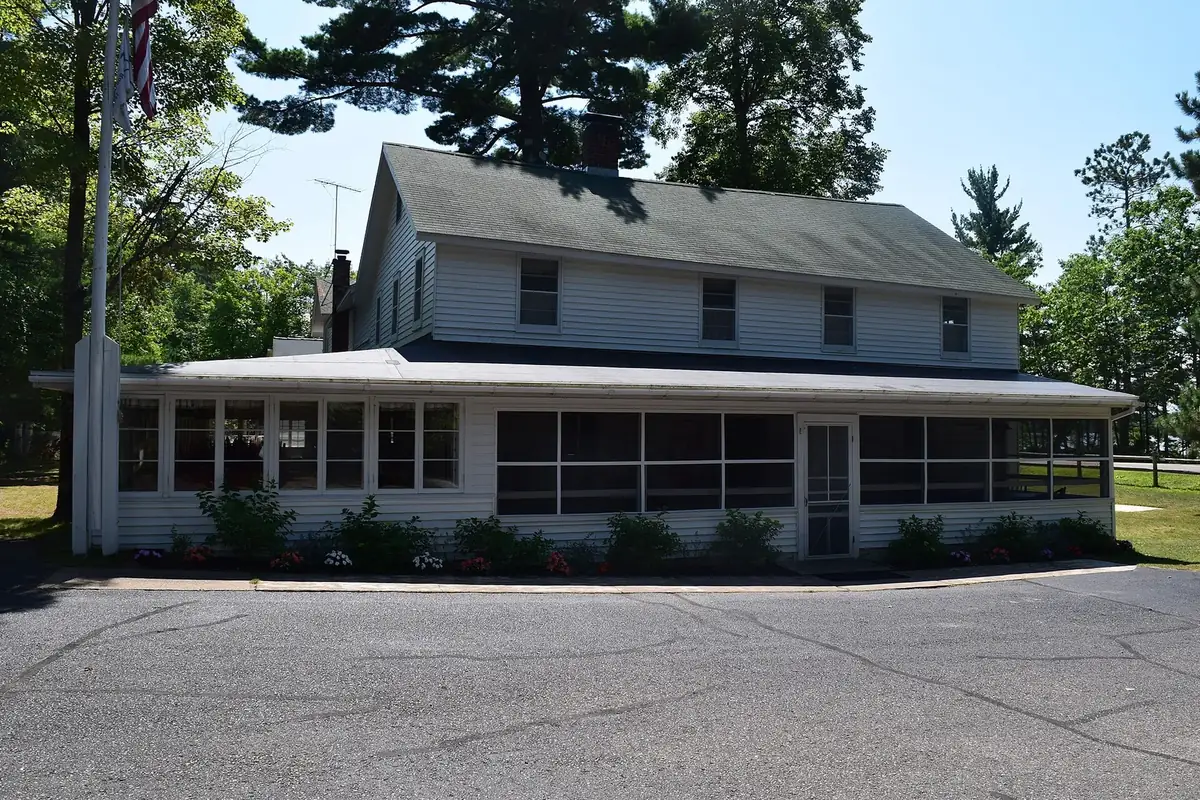
If you shoot more than a few times a month, live near a club with the facilities you need, and are willing to meet its membership obligations, a gun club membership usually gives you more range time, more space and a quieter line than paying per visit. If you shoot occasionally, are still figuring out what kind of shooting you like, or travel around, a day pass at a commercial or public range is the better fit. The rest of this guide covers how clubs actually work, what to compare, and the questions to ask before you hand over an application.
Key points
- A membership usually pays off if you shoot often, live near a club with the facilities you need, and can meet its obligations.
- A day pass fits new shooters, travelers, occasional shooters, and anyone who wants rentals or instruction.
- Clubs often ask for an application, orientation, work hours, meetings, an initiation fee and sometimes a waiting list.
- Visit in person and talk to members before you join.
What a gun club is (and how it differs from a commercial range)
A gun club is usually a membership organization that owns or leases its range property. Many are nonprofits run by volunteer officers and a board. Members get access to the ranges, often with a gate key, key card or code, and can shoot during set hours without booking a lane.
A commercial range is a business. You pay per hour, per lane or per day, and staff run the line. Public ranges are typically operated by a state wildlife agency, a county or a federal land manager, and are open to anyone who follows the posted rules (sometimes with a small fee or a permit).
In our directory we list 513 gun clubs. Across all listings, 412 ranges offer day passes, 314 are listed as members-only and 764 are public. Those categories overlap: plenty of clubs sell guest passes or open certain days to the public, and some public ranges sell annual permits that work a bit like a membership.
What a membership usually includes
Every club sets its own rules, but these are common:
- Range access during posted hours, often dawn to dusk, without reserving a lane.
- Multiple ranges on one property: pistol bays, a rifle line, sometimes trap, skeet, sporting clays or archery.
- Guest privileges, usually limited to a certain number of visits per guest per year and requiring the member to stay with the guest.
- Matches and leagues such as action pistol, smallbore, high power, silhouette or clay leagues, often at member pricing.
- Training such as new member orientations, safety classes and youth programs.
- Events like work days, meetings and social events.
What a membership usually asks of you
This is the part people underestimate. Common requirements include:
- An application and approval process. Some clubs ask for references or a sponsor who is already a member. Others vote on new members at a monthly meeting.
- A mandatory orientation covering range rules, gate procedures and the club's specific restrictions.
- Work hours. Many volunteer-run clubs require members to put in a set number of hours a year on maintenance, events or range officer duty, or pay a fee instead.
- Meeting attendance, especially for new members.
- Membership in a national organization. Some clubs require it as a condition of joining, often for insurance or affiliation reasons. Ask before you apply.
- An initiation fee on top of annual dues.
- A waiting list. Clubs near cities can have long waits. Getting on the list early costs little and keeps your options open.
Read the bylaws and range rules first so you know what you are signing up for.
Day pass: when it makes more sense
In short:
| Membership | Day pass | |
|---|---|---|
| Best if you | Shoot often near a club you like | Are new, travel, or shoot a few times a year |
| Access | Posted hours without booking a lane | Pay per visit, hour or lane |
| Commitments | Application, orientation, work hours, dues | None beyond the visit |
| Rentals and classes | Varies by club | More common at commercial ranges |
A day pass or lane rental wins in a few situations:
- You are new. You may not know yet whether you prefer pistol, rifle, clays or archery. Try a few ranges before committing. Our guide to your first time at a shooting range covers what to expect.
- You want rentals or instruction. Commercial ranges are more likely to rent firearms and run classes on a schedule. We list 239 ranges with rentals and 443 offering lessons.
- You shoot indoors in bad weather or after work. Indoor commercial ranges are often open later and are climate controlled. See indoor vs outdoor ranges for the trade-offs.
- You travel. A day pass lets you shoot wherever you are without a commitment.
- You only shoot a few times a year, for example sighting in before hunting season.
How to compare the cost
Prices vary a lot by region, so do the math with real numbers from the clubs and ranges near you. A simple method:
- Add the club's first-year cost: initiation fee plus annual dues, plus any fee you would pay to skip work hours.
- Find the cost of one typical visit at the commercial or public range you would otherwise use, including lane fees and any target or guest charges.
- Divide the first number by the second. That is how many visits a year you need to break even in the first year.
- Repeat with dues alone for year two and beyond, since initiation fees are usually one time.
Be honest about how often you will go. A club 45 minutes away may see you far less than a range 10 minutes from work. For a fuller breakdown of fee types, see how much a shooting range costs.
What to check before you join
Visit in person if the club allows it, ideally on a match day or open house when members are around to answer questions. Look at and ask about:
Facilities
- Distances. Does the rifle line go as far as you want to shoot? Only 93 listings in our directory are tagged as long range, so if you want 300 yards or more, confirm it.
- Bay types. Can you move and shoot from different positions, or is it fixed-line only?
- Steel. Are steel targets allowed, and at what distances? See our shooting targets guide.
- Clays and archery, if you or your family want them.
Rules and restrictions
- Caliber limits, rate of fire limits, and whether holster draws are allowed (some clubs require a qualification first).
- Hours, including whether noise ordinances limit early or late shooting.
- How often the range is closed for matches, leagues or private events. A busy match calendar is great if you compete and frustrating if you just want to practice on Saturdays.
- Guest rules: how many guests, how often, and the guest fee.
- Rules for minors and family members. Many clubs offer family memberships.
How it is run
- Is there a range officer on duty, or is it self-policed? Self-policed ranges depend on every member knowing the rules. Brush up with our guide to range rules and etiquette.
- How are safety problems handled? A club that enforces its rules is a club you want to belong to.
- How are dues spent, and are there plans for improvements or assessments?
- Is the club financially stable and is its lease or land secure?
Questions to ask a member
Members will usually tell you what the website will not:
- How crowded is it on weekends?
- How long did you wait to get in?
- How strict is the work hour requirement, and what kind of work is it?
- Which days are taken up by matches?
- What do you wish you had known before joining?
What to bring once you are a member
Club ranges often have fewer amenities than commercial ones, so members tend to bring their own setup. A practical kit:
- A range bag that holds eye and ear protection, targets, tools and a first aid kit. Our range bag checklist has the full list.
- Electronic earmuffs, which make range commands and conversation easier to hear. See our hearing protection guide.
- Impact-rated shooting glasses. Our shooting glasses guide explains what to look for.
- A portable target stand, if the club does not provide frames on every bay.
- A shooting rest or bags for the rifle line.
- A lockable gun case for transport. Read gun cases and transport before you load up.
- A trauma first aid kit, since quieter club ranges may not have staff on site.
Safety comes first either way
Membership or day pass, the basic rules do not change: treat every firearm as loaded, keep the muzzle pointed in a safe direction, keep your finger off the trigger until you are ready to fire, and know your target and what is beyond it. At a club without a range officer, you are responsible for calling and respecting cease-fires and for checking that the line is cold before anyone goes downrange.
Finding a club or range near you
Start with gun clubs near you, or browse all gun clubs and filter by state from the regions page. If you want to compare against pay-per-visit options, look at ranges with day passes and public ranges. Call ahead to confirm hours, guest policies and membership openings, since clubs change rules and fees from year to year. If your club is missing from the directory, add it here.